
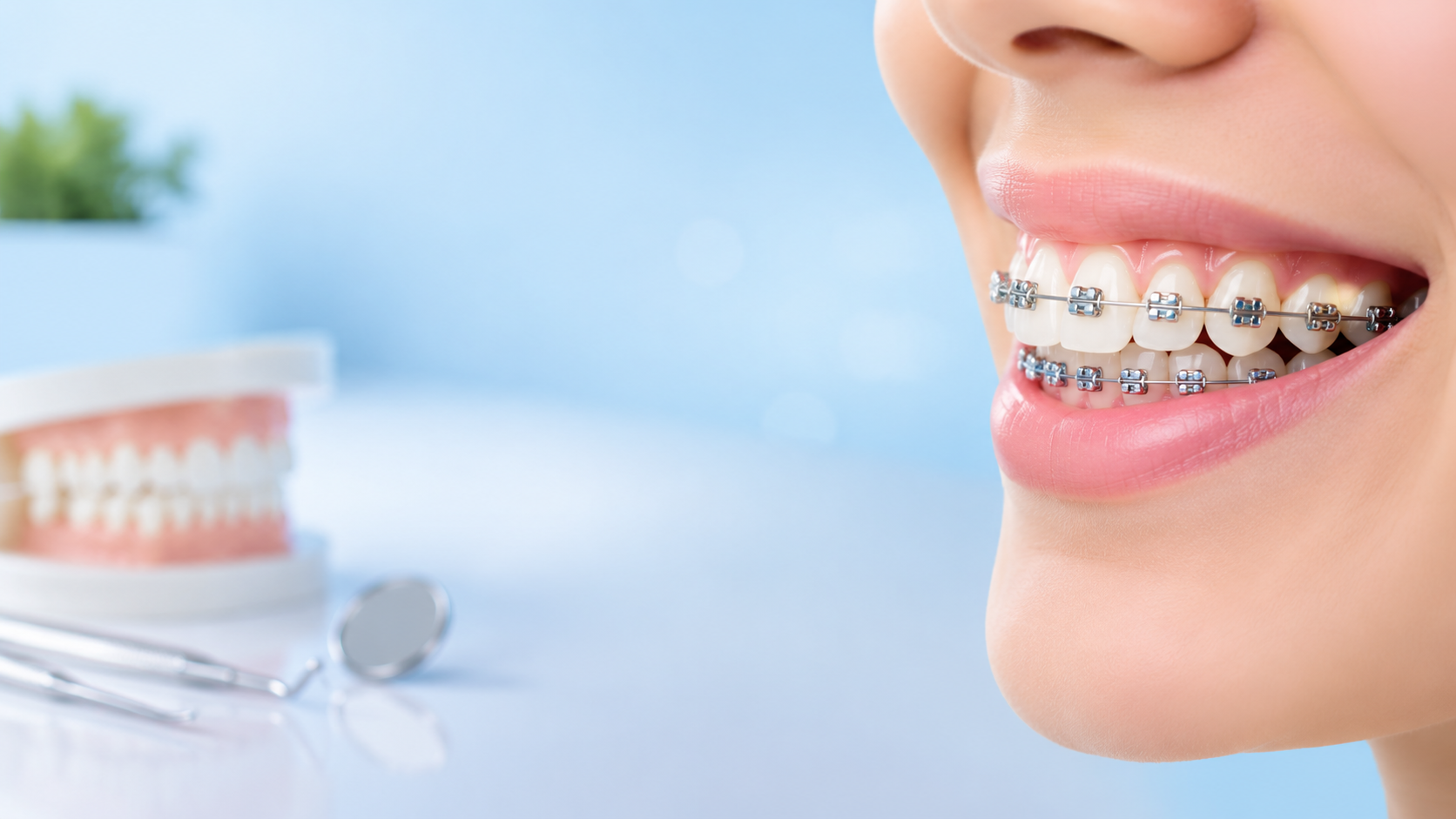
A healthy, beautiful smile is about more than appearance. Properly aligned teeth play an important role in chewing, speaking, maintaining oral hygiene, and supporting overall dental health. Unfortunately, many people experience orthodontic issues that can affect both the function and appearance of their smile. The good news is that modern braces are highly effective at correcting a wide range of orthodontic problems.
Whether you’re considering orthodontic treatment for yourself or your child, understanding the issues braces can address can help you make an informed decision. In this guide, we’ll explore some of the most common orthodontic problems that braces can correct and how treatment can improve your oral health and confidence.
What Are Orthodontic Problems?
Orthodontic problems occur when teeth and jaws are not properly aligned. These issues can develop due to genetics, childhood habits such as thumb-sucking, premature tooth loss, jaw growth irregularities, or other factors.
While some orthodontic concerns are primarily cosmetic, many can lead to long-term dental complications if left untreated. Braces work by applying gentle, consistent pressure to gradually move teeth into their ideal positions, creating a healthier and more balanced bite.
1. Crowded Teeth
Crowding is one of the most common reasons people seek orthodontic treatment. It occurs when there isn’t enough space in the jaw for all teeth to fit properly.
When teeth are crowded, they may overlap, twist, or become difficult to clean effectively. This can increase the risk of:
- Tooth decay
- Gum disease
- Plaque buildup
- Bad breath
Braces help create proper spacing by gradually moving teeth into alignment. In some cases, additional orthodontic treatments may be recommended to create more room for crowded teeth.
2. Overbite
An overbite occurs when the upper front teeth significantly overlap the lower front teeth. While a slight overbite is normal, a severe overbite can cause various issues.
Potential problems associated with an overbite include:
- Excessive wear on teeth
- Jaw discomfort
- Speech difficulties
- Increased risk of tooth damage
Braces can effectively correct overbites by repositioning the teeth and improving the relationship between the upper and lower jaws. Early treatment often helps prevent future complications.
3. Underbite
An underbite happens when the lower teeth extend beyond the upper teeth when the mouth is closed. This condition can affect facial appearance and make everyday functions more challenging.
People with an underbite may experience:
- Difficulty chewing food
- Speech problems
- Jaw pain
- Uneven tooth wear
Orthodontic treatment can help guide the teeth and jaws into better alignment, improving both function and aesthetics.
4. Crossbite
A crossbite occurs when one or more upper teeth sit inside the lower teeth instead of outside them. This can affect the front teeth, back teeth, or both.
If left untreated, a crossbite may lead to:
- Tooth wear
- Gum recession
- Jaw discomfort
- Facial asymmetry
Braces can gradually reposition the affected teeth and correct the bite, helping to prevent long-term oral health issues.
5. Open Bite
An open bite occurs when the upper and lower teeth do not meet when the mouth is closed. This often creates a noticeable gap between the front teeth.
Open bites may develop due to:
- Thumb-sucking
- Tongue thrusting
- Certain jaw growth patterns
This condition can cause:
- Difficulty biting into foods
- Speech challenges
- Increased wear on back teeth
Braces can effectively close the gap and restore proper tooth function, making eating and speaking easier.
6. Gapped Teeth (Spacing Issues)
Some individuals have excessive spacing between their teeth. While small gaps may not always require treatment, larger spaces can impact both appearance and oral health.
Gaps can result from:
- Missing teeth
- Jaw size differences
- Genetics
- Gum disease
Braces can close unwanted spaces and create a more balanced smile. Correcting spacing issues may also reduce the risk of food becoming trapped between teeth.
7. Misaligned Teeth
Not all orthodontic problems involve major bite issues. Some people have teeth that are rotated, tilted, or positioned incorrectly.
Even minor misalignment can contribute to:
- Uneven tooth wear
- Difficulty cleaning teeth
- Reduced confidence when smiling
Braces can gradually move teeth into their ideal positions, improving both function and appearance.
8. Jaw Alignment Problems
In some cases, orthodontic concerns involve the jaw as well as the teeth. Poor jaw alignment can affect chewing, speaking, and facial balance.
Signs of jaw alignment issues may include:
- Clicking or popping sounds
- Jaw pain
- Difficulty chewing
- Chronic headaches
Orthodontic treatment can often improve jaw alignment by correcting the way teeth fit together. Depending on the severity of the issue, additional treatment options may be discussed.
Benefits of Correcting Orthodontic Problems
Many people associate braces with cosmetic improvements, but the benefits go far beyond achieving a straighter smile.
Improved Oral Health
Straight teeth are easier to brush and floss, helping reduce the risk of cavities and gum disease.
Better Bite Function
Properly aligned teeth make chewing more comfortable and efficient.
Reduced Tooth Wear
A balanced bite distributes pressure evenly, preventing excessive wear on certain teeth.
Enhanced Speech
Some orthodontic problems can affect pronunciation. Correcting alignment issues may improve speech clarity.
Increased Confidence
A healthy, attractive smile can have a positive impact on self-esteem and social interactions.
When Should You Consider Braces?
Orthodontic treatment can benefit both children and adults. While many patients begin treatment during their teenage years, adults are increasingly choosing braces to improve their oral health and appearance.
You may benefit from an orthodontic evaluation if you notice:
- Crooked or crowded teeth
- Difficulty biting or chewing
- Jaw discomfort
- Teeth that do not meet properly
- Large gaps between teeth
- Frequent biting of the cheeks or tongue
Early diagnosis often allows for more effective treatment and can help prevent complications later in life.
Modern Braces Offer More Options Than Ever
Today’s orthodontic treatments are more comfortable and discreet than many people realize. Depending on your needs, options may include:
- Traditional metal braces
- Ceramic braces
- Self-ligating braces
- Clear aligner systems
An experienced dental professional can recommend the most suitable treatment based on your unique orthodontic concerns and goals.
Take the First Step Toward a Healthier Smile
Orthodontic problems can affect more than just the appearance of your smile. From crowded teeth and bite issues to jaw discomfort and spacing concerns, untreated alignment problems may impact your long-term oral health.
At J. Dental Care, our team is committed to helping patients achieve healthier, straighter smiles through personalized orthodontic solutions. Whether you’re exploring treatment for yourself or a family member, we’re here to guide you every step of the way.
Book an appointment today to schedule a consultation and discover how braces can help transform your smile and improve your overall dental health.
Frequently Asked Questions
At what age should a child see an orthodontist?
Many dental professionals recommend an orthodontic evaluation around age 7. Early assessments can identify potential issues before they become more complex.
Can adults get braces?
Absolutely. Orthodontic treatment is effective for adults of all ages, and many adults choose braces to improve both their smile and oral health.
How long does braces treatment usually take?
Treatment time varies depending on the complexity of the case, but most patients wear braces for approximately 12 to 36 months.
Do braces hurt?
Patients may experience mild discomfort after adjustments or when braces are first placed, but this typically subsides within a few days.
Can braces fix all orthodontic problems?
Braces can correct many common orthodontic issues, including crowding, spacing, overbites, underbites, and crossbites. More complex cases may require additional treatments.
How do I care for my teeth while wearing braces?
Good oral hygiene is essential. Brush after meals, floss daily, attend regular dental checkups, and follow your orthodontist’s recommendations for maintaining your braces.


