
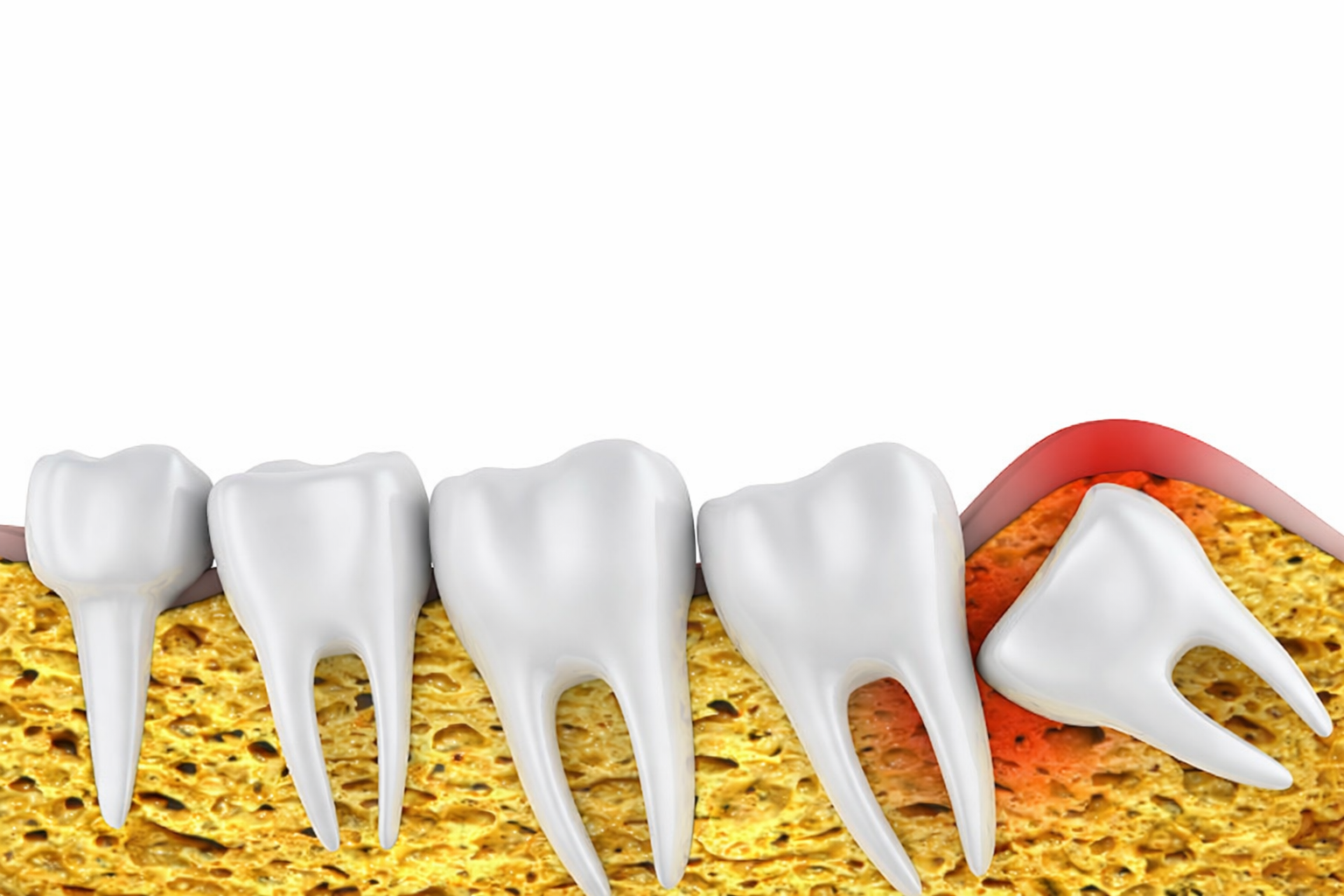
Wisdom teeth are the last set of molars to develop, usually appearing between the ages of 17 and 25. For some people, wisdom teeth grow in without causing any problems. For many others, however, these teeth can lead to pain, infections, crowding, and long-term oral health complications. Understanding when wisdom teeth should be removed and what to expect from the process can help patients make informed and confident decisions about their dental care.
Wisdom tooth removal is one of the most common dental procedures, yet it often raises questions and concerns. Knowing why removal may be necessary, how the procedure works, and what recovery looks like can greatly reduce anxiety and ensure a smoother experience.
What Are Wisdom Teeth?
Wisdom teeth, also known as third molars, are located at the very back of the mouth. Most adults have four wisdom teeth—two on the top and two on the bottom—though some people may have fewer or none at all.
These teeth were useful for our ancestors who had larger jaws and ate tougher foods. Over time, human jaws have become smaller, often leaving insufficient space for wisdom teeth to erupt properly. As a result, wisdom teeth frequently become impacted or misaligned.
When Do Wisdom Teeth Become a Problem?
Wisdom teeth may cause problems when they do not have enough room to grow in correctly or when they emerge at an improper angle. Some common issues associated with problematic wisdom teeth include:
- Pain or pressure at the back of the mouth
- Swelling or tenderness in the gums
- Jaw stiffness or difficulty opening the mouth
- Repeated infections around the wisdom tooth
- Damage to nearby teeth
- Crowding or shifting of existing teeth
In some cases, wisdom teeth remain trapped beneath the gums or partially erupt, creating an opening where bacteria can accumulate. This increases the risk of infection, decay, and gum disease.
Signs That Wisdom Teeth May Need to Be Removed
Not everyone experiences obvious symptoms when wisdom teeth are causing trouble. This is why regular dental checkups and X-rays are essential. Dentists can often identify potential issues before they become painful.
Some signs that may indicate the need for wisdom tooth removal include:
- Persistent discomfort or pain in the back of the mouth
- Red, swollen, or bleeding gums near the molars
- Recurrent infections or bad breath
- Headaches or ear pain related to jaw pressure
- Difficulty chewing or biting
Even if you are not experiencing pain, your dentist may recommend removal to prevent future complications.
Why Dentists Often Recommend Early Removal
Removing wisdom teeth at a younger age—typically in the late teens or early twenties—can be beneficial. At this stage, the roots are not fully developed, and the surrounding bone is softer, making extraction easier and recovery faster.
Delaying removal can increase the risk of complications, such as deeper impaction, nerve involvement, or slower healing. Early evaluation allows dentists to determine the best timing for removal based on individual oral development.
What Happens During a Wisdom Tooth Evaluation?
Before recommending extraction, your dentist will conduct a thorough examination, which may include dental X-rays or panoramic imaging. These images help assess the position of the wisdom teeth, their roots, and their relationship to nearby nerves and teeth.
Based on this evaluation, your dentist will explain whether removal is necessary and discuss the best approach for your specific situation.
The Wisdom Tooth Removal Procedure
Wisdom tooth removal is typically performed as an outpatient procedure. The complexity of the extraction depends on whether the tooth is fully erupted, partially erupted, or impacted beneath the gums.
The procedure generally involves the following steps:
- Administering local anesthesia or sedation for comfort
- Making a small incision in the gum if the tooth is impacted
- Removing the tooth, sometimes in sections
- Cleaning the area and placing stitches if needed
Patients are closely monitored throughout the procedure to ensure safety and comfort.
What to Expect After Wisdom Tooth Removal
Recovery from wisdom tooth removal varies from person to person, but most patients experience mild to moderate discomfort for a few days. Swelling, tenderness, and limited jaw movement are common during the initial healing phase.
Typical post-procedure expectations include:
- Swelling that peaks within the first 48 hours
- Mild bleeding for the first day
- Gradual improvement in comfort over several days
- Full healing over a few weeks
Your dentist will provide detailed aftercare instructions to promote proper healing and reduce the risk of complications.
Recovery Tips for a Smooth Healing Process
Following post tooth extraction care guidelines is essential for a successful recovery. Helpful tips include:
- Rest and avoid strenuous activity for the first few days
- Apply ice packs to reduce swelling
- Eat soft foods and avoid chewing near the extraction site
- Keep the mouth clean but avoid rinsing vigorously
- Avoid smoking or using straws during early healing
Proper care helps prevent complications such as dry socket or infection.
Possible Risks and Complications
While wisdom tooth removal is generally safe, like any surgical procedure, it carries some risks. These may include infection, prolonged swelling, or temporary numbness.
Your dentist will take precautions to minimize these risks and provide guidance on recognizing any signs that require follow-up care. Prompt communication with your dental team ensures any concerns are addressed early.
Wisdom Teeth and Long-Term Oral Health
Removing problematic wisdom teeth can significantly improve long-term oral health. It reduces the risk of recurring infections, protects neighboring teeth from damage, and supports better gum health.
For patients undergoing orthodontic treatment or those concerned about crowding, wisdom tooth removal can also help maintain proper alignment and spacing of teeth.
Common Myths About Wisdom Tooth Removal
Many patients believe that wisdom teeth should only be removed if they cause pain. However, problems can develop silently beneath the gums. Others worry that the procedure is extremely painful, but modern techniques and anesthesia make the process far more comfortable than in the past.
Understanding the facts helps patients approach wisdom tooth removal with confidence rather than fear.
Is Wisdom Tooth Removal Right for You?
Every patient’s situation is unique. Some people may never need their wisdom teeth removed, while others benefit greatly from early intervention. A professional dental evaluation is the best way to determine the right course of action.
Regular checkups allow dentists to monitor wisdom teeth development and recommend treatment at the most appropriate time.
Take the Next Step Toward Better Oral Health
Wisdom teeth can impact your comfort, dental alignment, and overall oral health. Whether you are experiencing symptoms or simply want to ensure everything is developing correctly, timely evaluation is key.
If you have concerns about your wisdom teeth or need expert guidance, book an appointment at J Dental Care to receive personalized care and professional advice tailored to your needs.


