
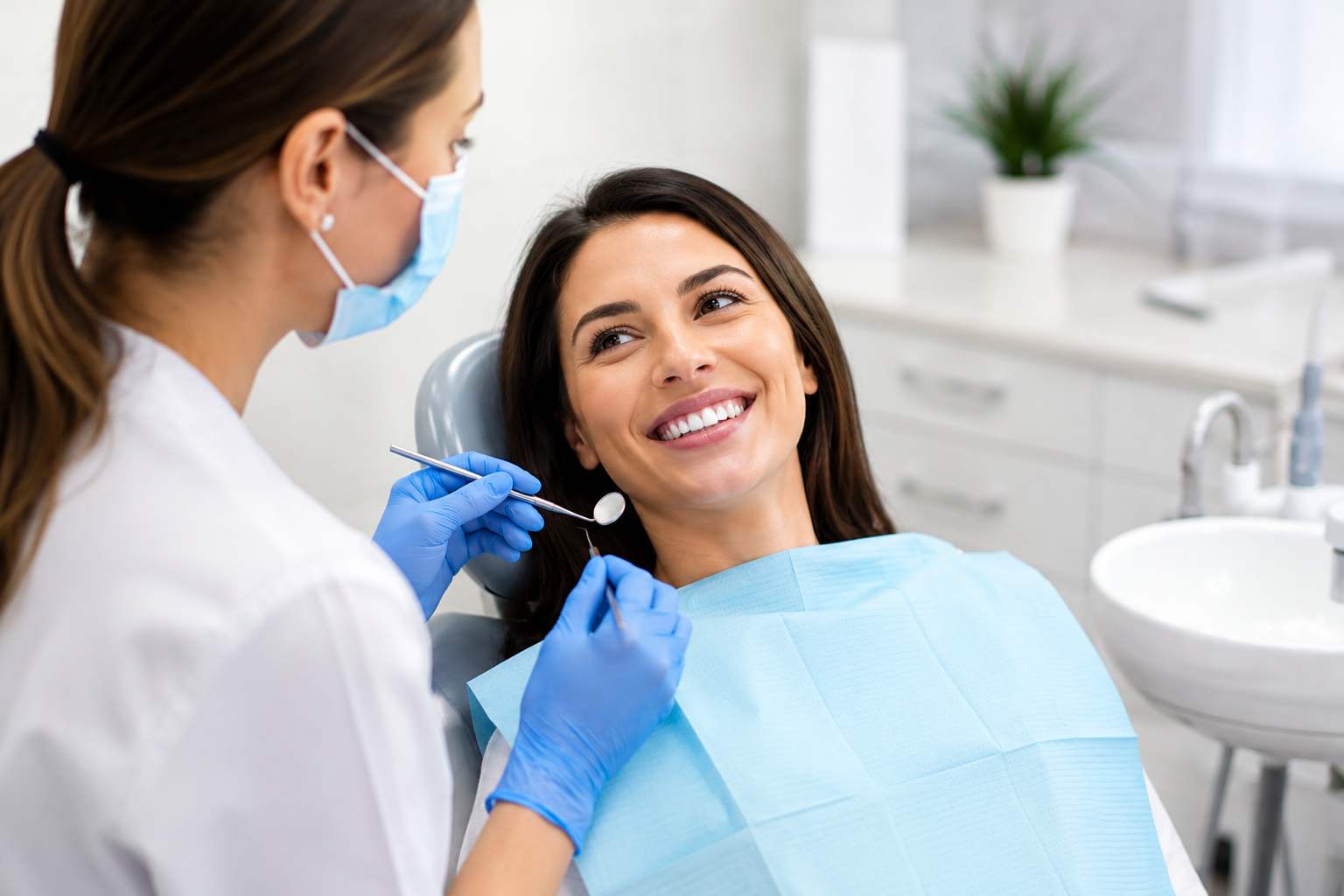
For many people, just hearing the word “dentist” can trigger feelings of nervousness and anxiety. Fear of pain is one of the most common reasons patients delay or avoid dental visits altogether. Unfortunately, postponing dental care can often lead to bigger oral health problems that eventually require more extensive treatment.
The good news is that modern dentistry has evolved significantly over the years. Advanced technology, improved techniques, and patient-focused care have transformed the dental experience into something far more comfortable than many people expect. Today, pain-free dentistry is not only possible in many cases — it has become a major priority for dental professionals worldwide.
But what exactly does “pain-free dentistry” mean? Can dental treatments truly be painless? Understanding how modern dental care works can help patients feel more confident and comfortable when seeking treatment.
Why People Fear Dental Treatment
Dental anxiety is extremely common among both children and adults. For some, the fear comes from a previous negative experience. Others may worry about needles, drilling sounds, discomfort, or simply the feeling of losing control during treatment.
Even the anticipation of pain can cause patients to postpone routine cleanings and check-ups. Over time, small dental issues such as cavities or gum inflammation may worsen and require more complex procedures.
This cycle of fear and avoidance is exactly why modern dental clinics focus heavily on patient comfort and minimally invasive treatment methods.
How Modern Dentistry Has Changed
Dental care today is very different from what it was decades ago. Advances in technology and treatment techniques have dramatically reduced discomfort during many procedures.
Modern dentists now use:
- Advanced local anesthetics
- Digital imaging technology
- Laser dentistry
- Minimally invasive techniques
- Gentle injection methods
- Sedation options
- Faster and more precise instruments
These improvements help make treatments smoother, quicker, and far more comfortable for patients.
In many routine procedures, patients feel little to no pain during treatment. Some people are even surprised by how easy modern dental visits can be compared to their expectations.
The Role of Local Anesthesia
One of the biggest reasons dental treatments have become more comfortable is the use of effective local anesthesia.
Local anesthesia numbs the treatment area so patients do not feel pain during the procedure. Dentists carefully administer anesthetic agents to block nerve signals temporarily while the treatment is performed.
Modern anesthetic techniques are designed to work quickly and efficiently. Many dentists also use topical numbing gels before injections, helping minimize discomfort from the needle itself.
For procedures such as fillings, crowns, root canals, or extractions, local anesthesia allows patients to remain comfortable throughout treatment.
Sedation Dentistry for Nervous Patients
For patients with severe dental anxiety, sedation dentistry can make an enormous difference.
Sedation techniques help patients feel deeply relaxed during treatment. Depending on the level of anxiety and the type of procedure, different sedation options may be used, including:
- Nitrous oxide (laughing gas)
- Oral sedation
- IV sedation
Nitrous oxide is one of the most common options for mild anxiety. It helps patients feel calm and relaxed while remaining awake and responsive.
Oral sedation involves medication taken before the appointment to reduce nervousness and promote relaxation.
For more complex procedures or patients with significant dental fear, IV sedation may be recommended under professional supervision.
Sedation dentistry has helped many patients overcome long-standing fears and finally receive the dental care they need.
Minimally Invasive Dentistry
Another reason pain-free dentistry is becoming more realistic is the shift toward minimally invasive treatment.
Modern dental care focuses on preserving as much natural tooth structure as possible while treating problems early before they become severe.
For example:
- Small cavities can often be treated with tiny fillings
- Digital scanning improves treatment accuracy
- Laser technology can reduce tissue trauma
- Preventive care helps avoid major procedures altogether
The earlier dental problems are identified, the easier and more comfortable the treatment tends to be.
Routine check-ups and dental cleaning play a major role in preventing painful dental emergencies in the future.
Laser Dentistry and Patient Comfort
Laser dentistry is becoming increasingly popular for certain procedures because it can reduce discomfort and healing time.
Dental lasers may be used for:
- Gum treatments
- Cavity removal
- Soft tissue procedures
- Teeth whitening
- Gum contouring
Lasers are often more precise than traditional instruments and can reduce bleeding, swelling, and irritation during treatment. In some cases, laser procedures may even minimize the need for stitches or anesthesia.
Patients who are anxious about drills or surgical tools may feel more comfortable with laser-assisted treatments.
Communication Makes a Big Difference
Pain-free dentistry is not only about technology — it’s also about patient experience.
One of the most important parts of comfortable dental care is communication. Patients feel more relaxed when they understand what to expect during treatment.
A caring dental team takes time to:
- Explain procedures clearly
- Answer questions
- Address concerns
- Discuss pain management options
- Allow breaks when needed
When patients feel informed and supported, anxiety often decreases significantly.
Many dental clinics also create calming environments with gentle lighting, relaxing music, and patient-centered care approaches designed to reduce stress.
Preventive Care Reduces Painful Problems
One of the best ways to avoid painful dental experiences is through preventive care.
Regular dental visits help identify issues early before they become more serious. Preventive care may include:
- Professional cleanings
- Oral exams
- X-rays
- Fluoride treatments
- Gum health monitoring
When problems are treated early, procedures are usually simpler, faster, and more comfortable.
For example, treating a small cavity early is much easier than waiting until the tooth becomes infected and requires root canal therapy or extraction.
Preventive dentistry not only protects oral health but also helps patients avoid unnecessary discomfort and expenses.
Managing Pain After Treatment
Even though modern procedures are much more comfortable, some treatments may still involve mild soreness afterward. However, post-treatment discomfort is generally manageable and temporary.
Dentists often provide:
- Aftercare instructions
- Pain management guidance
- Medication recommendations
- Recovery tips
Most patients recover quickly and return to normal activities within a short period depending on the procedure performed.
Following post-treatment instructions carefully can help minimize discomfort and promote faster healing.
Is Completely Pain-Free Dentistry Always Possible?
While dentistry has become far more comfortable than in the past, it’s important to set realistic expectations.
Some procedures may still involve mild pressure, sensitivity, or temporary soreness. However, severe pain during treatment is far less common today due to modern techniques and pain management options.
The goal of pain-free dentistry is to:
- Minimize discomfort
- Reduce anxiety
- Improve patient experience
- Make treatments more manageable and less stressful
For many patients, modern dentistry feels far easier and more comfortable than they expected.
Building Confidence Through Comfortable Dental Care
Fear should never prevent someone from receiving the dental treatment they need. Advances in modern dentistry continue to make procedures more comfortable, efficient, and patient-friendly than ever before.
Whether it’s routine preventive care, restorative treatment, cosmetic dentistry, or emergency care, today’s dental professionals prioritize patient comfort every step of the way.
At J Dental Care, patient comfort and personalized care are an important part of the dental experience. Modern techniques and compassionate treatment approaches help patients feel more relaxed and confident during every visit.
If dental anxiety has been holding you back, now may be the perfect time to experience how comfortable modern dentistry can truly be. Schedule your appointment today and take the first step toward a healthier, more confident smile.


