
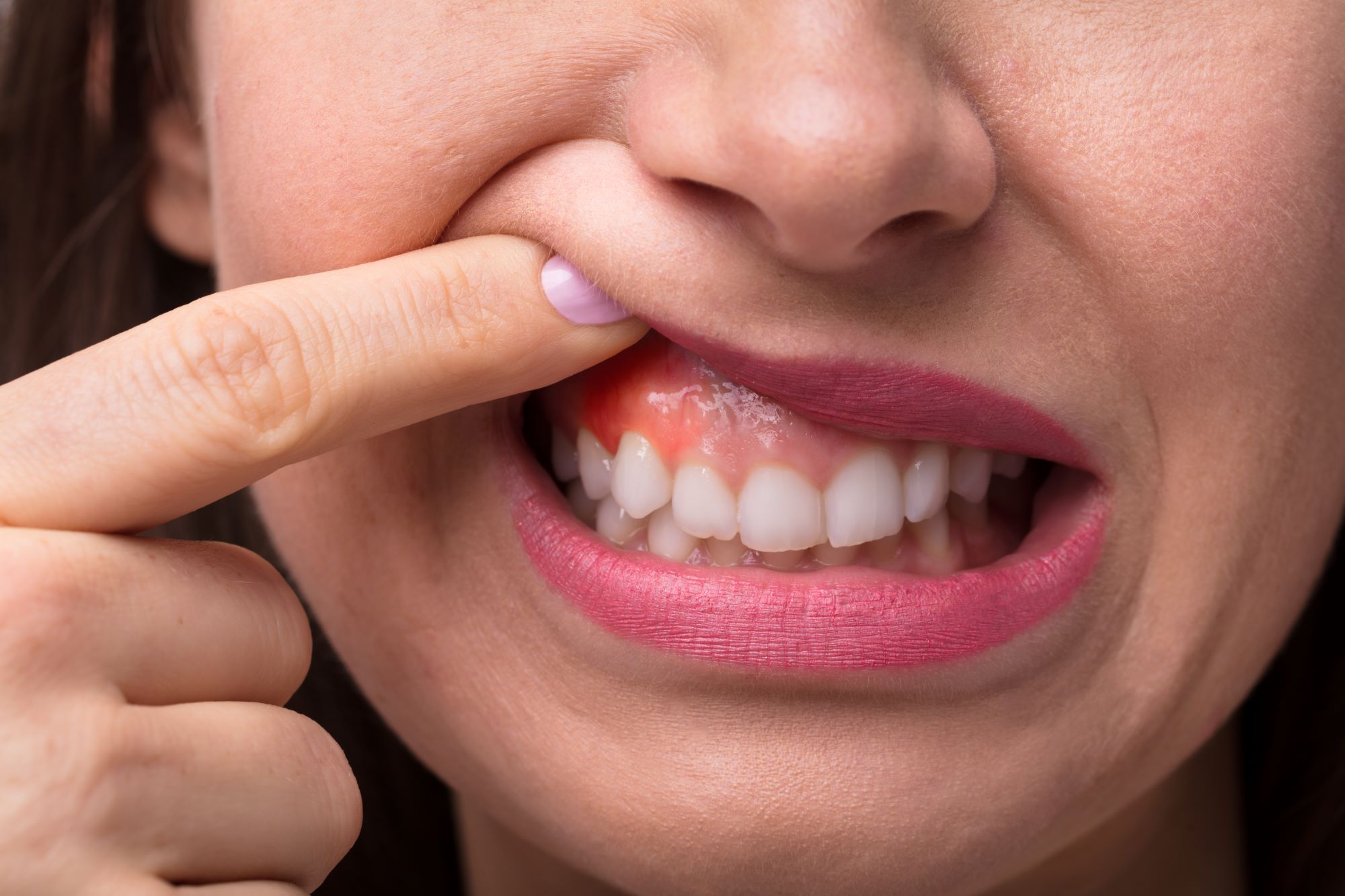
Many people notice a little blood in the sink while brushing their teeth and assume it is normal. However, bleeding gums are usually a sign that something in your oral health routine needs attention. Healthy gums should not bleed easily. If your gums bleed frequently when brushing or flossing, it may indicate inflammation, irritation, or an underlying dental issue.
Understanding the reasons behind bleeding gums can help you take the right steps to protect your oral health. In this guide, we will explore the common causes of bleeding gums, when you should be concerned, and how to prevent and treat this condition.
Understanding Healthy Gums
Healthy gums are firm, pink, and fit snugly around your teeth. They play an important role in protecting the roots of your teeth and supporting your overall oral health. When gums become inflamed or irritated, they may swell, become tender, and start bleeding during brushing or flossing.
Occasional bleeding may occur if you brush too hard, but consistent bleeding is usually a sign that bacteria and plaque are affecting the gums.
The Most Common Cause: Gum Disease
One of the most common reasons for bleeding gums is gum disease, also known as periodontal disease. Gum disease develops when plaque, a sticky film of bacteria, builds up along the gumline.
When plaque is not removed through proper brushing and flossing, it hardens into tartar. This irritates the gums and leads to inflammation.
Gingivitis
The earliest stage of gum disease is called gingivitis. Symptoms may include:
- Red or swollen gums
- Bleeding during brushing or flossing
- Tender gums
- Bad breath
The good news is that gingivitis is reversible with proper oral hygiene and professional dental cleanings.
Periodontitis
If gingivitis is not treated, it can progress into a more serious condition called periodontitis. At this stage, the infection spreads deeper into the gums and bone supporting the teeth.
Symptoms may include:
- Persistent bleeding gums
- Gum recession
- Loose teeth
- Chronic bad breath
- Pain when chewing
Periodontitis requires professional treatment to prevent tooth loss and further complications.
Brushing Too Hard
Another common reason for bleeding gums is brushing too aggressively. Many people believe that brushing harder will clean their teeth better, but this can actually damage both teeth and gums.
Using a toothbrush with hard bristles or applying excessive pressure can irritate the gum tissue and cause bleeding.
Dentists usually recommend using a soft-bristled toothbrush and gentle circular motions when brushing. This method effectively removes plaque while protecting sensitive gum tissue.
Starting a New Flossing Routine
If you recently started flossing and notice some bleeding, it may simply be because your gums are not used to flossing yet. When plaque builds up between the teeth, the gums become inflamed.
Flossing helps remove trapped food and plaque, but the gums may bleed slightly during the first few days. As your gums become healthier, the bleeding usually stops.
Consistency is key. Regular flossing helps reduce inflammation and improves gum health over time.
Plaque and Tartar Buildup
Poor oral hygiene allows plaque to accumulate on the teeth and along the gumline. If plaque remains on the teeth for too long, it hardens into tartar, which cannot be removed by brushing alone.
Tartar creates a rough surface that allows more bacteria to accumulate. This can irritate the gums and lead to bleeding.
Professional dental cleanings are essential for removing tartar and maintaining healthy gums.
Vitamin Deficiencies
Sometimes bleeding gums can be related to nutritional deficiencies. Certain vitamins are essential for maintaining healthy gums and tissues.
For example:
- Vitamin C deficiency may weaken gum tissue and increase bleeding.
- Vitamin K deficiency can affect blood clotting and lead to prolonged bleeding.
Eating a balanced diet that includes fruits, vegetables, and essential nutrients can support healthy gums and overall oral health.
Hormonal Changes
Hormonal changes can also affect gum health. During certain stages of life, such as pregnancy, puberty, or menopause, hormonal fluctuations can make gums more sensitive and prone to bleeding.
This condition is sometimes referred to as pregnancy gingivitis, where increased hormone levels cause the gums to react more strongly to plaque buildup.
Maintaining excellent oral hygiene and regular dental visits during these times is especially important.
Certain Medications
Some medications may increase the risk of bleeding gums. For example, blood-thinning medications can make it easier for gums to bleed during brushing or flossing.
Other medications may cause dry mouth, which reduces saliva production. Saliva plays an important role in washing away bacteria and protecting the gums.
If you suspect that medication is affecting your oral health, it is best to discuss this with your dentist or healthcare provider.
Ill-Fitting Dental Appliances
Dental appliances such as dentures, braces, or retainers that do not fit properly may irritate the gums. Constant friction or pressure on the gum tissue can cause soreness and bleeding.
If you wear any dental appliances and notice gum discomfort, your dentist can evaluate the fit and make adjustments if necessary.
Smoking and Tobacco Use
Smoking and tobacco use can significantly increase the risk of gum disease. Tobacco weakens the immune system, making it harder for the body to fight infections.
Smoking also reduces blood flow to the gums, which can delay healing and worsen inflammation. Over time, this can lead to severe gum disease and tooth loss.
Quitting smoking can greatly improve both oral and overall health.
Stress and Its Impact on Gum Health
Stress can affect many aspects of your health, including your gums. High stress levels can weaken the immune system and make it more difficult for your body to fight bacterial infections.
Stress can also lead to habits such as teeth grinding, poor oral hygiene, or unhealthy eating patterns, all of which may contribute to gum problems.
Managing stress through healthy lifestyle choices can help protect your oral health.
How to Prevent Bleeding Gums
The good news is that most cases of bleeding gums can be prevented with proper oral care and regular dental visits.
Here are some helpful tips:
Maintain Proper Oral Hygiene
Brush your teeth at least twice a day using a soft-bristled toothbrush and fluoride toothpaste. Gentle brushing along the gumline helps remove plaque without damaging the gums.
Floss Daily
Flossing removes plaque and food particles from areas that a toothbrush cannot reach. This is essential for preventing gum disease.
Use an Antibacterial Mouthwash
Mouthwash can help reduce bacteria in the mouth and support gum health.
Schedule Regular Dental Checkups
Professional dental cleaning removes plaque and tartar buildup that cannot be removed at home. Regular dental exams also allow dentists to detect gum problems early.
Eat a Balanced Diet
Consuming foods rich in vitamins and minerals supports healthy gums and teeth.
Replace Your Toothbrush Regularly
Dentists recommend replacing your toothbrush every three to four months, or sooner if the bristles become worn.
When Should You See a Dentist?
Occasional minor bleeding may not be a serious concern, but persistent bleeding should not be ignored. You should schedule a dental visit if:
- Your gums bleed frequently while brushing or flossing
- You notice swollen or tender gums
- Your gums appear red or inflamed
- You have persistent bad breath
- Your gums are receding or teeth feel loose
Early diagnosis and treatment can prevent more serious dental problems in the future.
Final Thoughts
Bleeding gums are often a warning sign that your gums need extra care. While brushing too hard or starting a new flossing routine can sometimes cause minor bleeding, frequent bleeding is commonly linked to plaque buildup and gum disease.
Maintaining a consistent oral hygiene routine, eating a healthy diet, and visiting your dentist regularly can help keep your gums strong and healthy. If you are experiencing ongoing gum bleeding or other dental concerns, seeking professional dental care is the best way to protect your smile. For expert guidance and personalized dental care, schedule an appointment with J Dental Care.


